
What Is Turmeric Water — and Why Is It Worth Your Attention?
Turmeric water is exactly what it sounds like: ground turmeric dissolved into warm or room-temperature water and consumed as a daily drink. No complex preparation, no specialist equipment. You stir a small amount of turmeric powder into a glass of warm water — sometimes with lemon, honey, or a pinch of black pepper — and drink it. South Asian kitchens have done this for generations, long before the phrase "functional beverage" entered anyone's vocabulary.
What's changed isn't the drink itself. It's the science explaining why it works. Curcumin — the primary polyphenol in turmeric rhizome and the compound responsible for its deep orange-yellow pigment — has been the subject of serious biochemical research for several decades. The picture that's emerged is of a compound with measurable effects on inflammatory signalling, oxidative stress, digestive function, and liver health. Turmeric water is simply the most accessible dietary vehicle for getting daily curcumin into your body without capsules or supplements.
The variable that most guides leave out entirely: the curcumin content of the turmeric you use determines everything. Standard supermarket turmeric powder typically contains 1.5–3% curcumin by dry weight. High-curcumin varieties like Lakadong from the Jaintia Hills of Meghalaya test consistently at 7–12%. The same glass of warm water, made with a quarter teaspoon of each, delivers three to four times more curcumin with the Lakadong. That's not a marginal difference — it's the difference between a habit that builds real results and one that tastes golden but barely delivers.
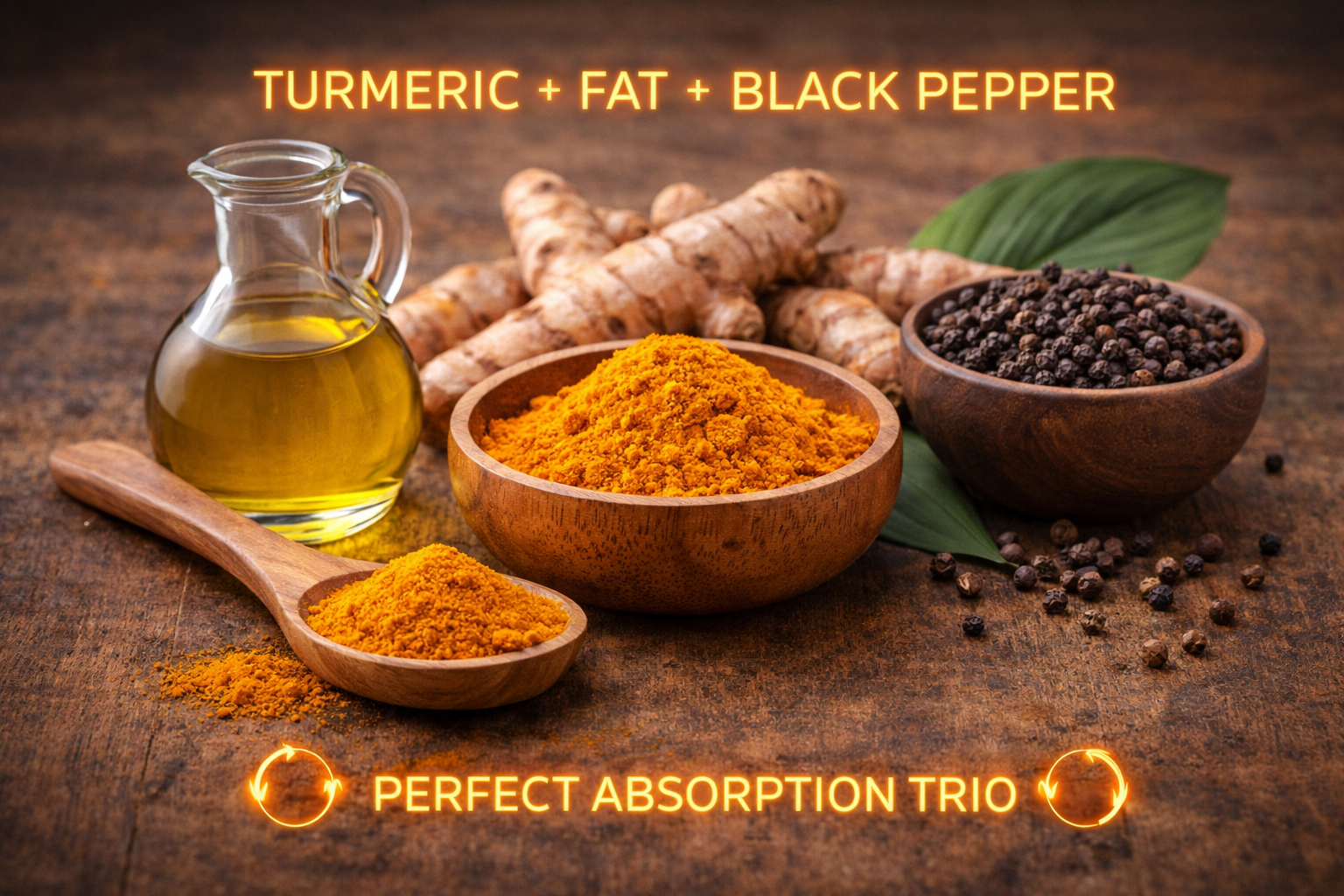
Everything about turmeric water's effectiveness comes down to three things used together: the quality of the turmeric (curcumin content per gram), whether you add black pepper (to improve curcumin absorption), and whether you include a fat source (curcumin is fat-soluble, not water-soluble). Get all three right and you have one of the most efficient natural anti-inflammatory habits available. Miss any one of them and the curcumin passes through mostly unused.
The deep amber-gold colour of properly made turmeric water is a direct visual indicator of curcumin concentration. Pale yellow water signals low-curcumin turmeric — the colour is the first honest signal of potency.
How Curcumin Actually Works in Turmeric Water
Every benefit associated with turmeric water traces back to one compound: curcumin. It is the primary polyphenol in the turmeric rhizome, belonging to a family of plant compounds with documented effects on how the body manages inflammation and oxidative stress. Understanding what curcumin is — and what it needs to work properly — explains both why turmeric water has such a strong traditional reputation and why so many people who try it report inconsistent results.
Curcumin works primarily by modulating inflammatory signalling pathways in the body. It inhibits two key enzymes — COX-2 and NF-κB — that act as inflammatory switches in cells. When these are chronically overactive (as they are in many lifestyle-driven conditions), persistent low-grade inflammation results. Regular curcumin intake, over weeks rather than days, gradually damps down this baseline inflammatory signalling. It also acts as a direct antioxidant, neutralising free radicals while simultaneously stimulating the body's own antioxidant enzyme production — a dual-action property rare among dietary polyphenols.
The problem with curcumin in water is a bioavailability one. Curcumin doesn't dissolve in water — it's lipophilic, meaning it binds to fat molecules, not water molecules. When swallowed in plain water, most of it passes through the digestive tract before absorption can occur, metabolised rapidly and excreted. This is why traditional Indian medicine never used turmeric in plain water alone: it was always cooked in ghee, blended into warm milk, or consumed alongside food containing fat. Science has since confirmed what cooks knew intuitively.
Comparing Turmeric Water Methods — What Changes the Outcome
Not all turmeric water is equivalent. The preparation method and the quality of turmeric you start with together determine how much functional curcumin actually reaches your bloodstream. This table puts the key variables side by side.
| Preparation Method | Curcumin in Turmeric | Black Pepper Added | Fat Added | Absorption Potential |
|---|---|---|---|---|
| Lakadong turmeric + warm water + black pepper + fat | 7–12% | ✓ Yes | ✓ Yes | High — recommended |
| Lakadong turmeric + warm water only | 7–12% | ✗ No | ✗ No | Low — most curcumin lost |
| Standard turmeric + warm water + black pepper + fat | 1.5–3% | ✓ Yes | ✓ Yes | Moderate — low curcumin base |
| Standard turmeric + warm water only | 1.5–3% | ✗ No | ✗ No | Very low — minimal effect |
The most frequent reason people try turmeric water and notice nothing: skipping black pepper and fat. A plain stirred turmeric water — even with premium high-curcumin Lakadong powder — delivers very little curcumin to systemic circulation when consumed without these two additions. The pepper and fat are not optional enhancements for people who care about results. They are the mechanism that makes the curcumin functional. Turmeric water without them is largely a warm, golden-coloured drink with limited health impact beyond flavour.
Top Benefits of Drinking Turmeric Water Every Day
The benefits of turmeric water are almost entirely attributable to curcumin's anti-inflammatory and antioxidant actions at the cellular level. These aren't claims invented by the wellness industry — the mechanisms are well-documented in peer-reviewed research spanning decades. What matters is understanding which effects are most consistently reported, under what conditions they appear, and how long consistent daily use typically takes to produce a noticeable difference.
Curcumin's most researched and robust effect is its ability to modulate the body's inflammatory response — specifically by inhibiting NF-κB and COX-2 pathways. Chronic low-grade inflammation underlies a wide range of modern health complaints, and consistent daily curcumin intake gradually reduces this baseline. People with inflammatory joint conditions, skin issues, and digestive inflammation report the most consistent results.
- Effects accumulate over 3–6 weeks of daily use
- Most effective with black pepper and a fat source
- High-curcumin turmeric delivers more per teaspoon
Curcumin is both a direct antioxidant — neutralising reactive oxygen species in the body — and an indirect one, by stimulating the production of the body's own antioxidant enzymes including superoxide dismutase and glutathione. This dual-action property is considered one of the reasons it's studied so extensively in ageing and cellular health research.
- Supports the body's own antioxidant systems
- More sustainable than isolated antioxidant supplements
- Consistent daily dose is more effective than occasional large doses
Turmeric has been used as a digestive aid across Ayurvedic and traditional Northeast Indian medicine for centuries. Curcumin stimulates bile production and secretion, supporting fat digestion and liver-to-gut communication. Its mild bitter properties help tone digestive function, and many people who drink it in the morning before eating report noticeably reduced bloating after meals.
- Best taken 20–30 minutes before food
- Particularly useful after rich or heavy meals
- Supports a healthy gut microbiome environment
The liver is responsible for metabolising and eliminating inflammatory compounds, toxins, and waste products. Curcumin has been studied for its role in supporting liver cell function and reducing markers of liver stress, particularly in the context of non-alcoholic fatty liver conditions. Turmeric water offers a practical daily vehicle for curcumin that reaches the liver through the portal vein from the gut.
- Supports the liver's natural detoxification pathways
- Morning consumption on an empty stomach is most direct
- Consistent daily use more effective than periodic high doses
Joint tissue is particularly vulnerable to chronic inflammatory damage over time. Among people who drink turmeric water daily, improved morning joint stiffness and easier movement is one of the most commonly reported changes — typically beginning to appear after 4–6 weeks. Athletes also use it as part of recovery routines, where the anti-inflammatory effect addresses the byproducts of intense exercise.
- Post-workout use reduces exercise-induced inflammation
- Results are gradual — consistent use is the key variable
- Works synergistically with omega-3 fatty acid intake
Many skin conditions — acne, eczema, rosacea, uneven tone — have chronic inflammation as a root driver rather than just a surface issue. Turmeric water's internal anti-inflammatory action reaches the skin over time, and consistent drinkers frequently report clearer, more even skin tone after 6–8 weeks. Internal use is slower than topical application but more sustainable, reaching the skin through improved systemic inflammatory control.
- Targets the internal cause, not just the surface symptom
- Results typically appear after 6–8 weeks of daily use
- No staining risk, unlike topical turmeric applications
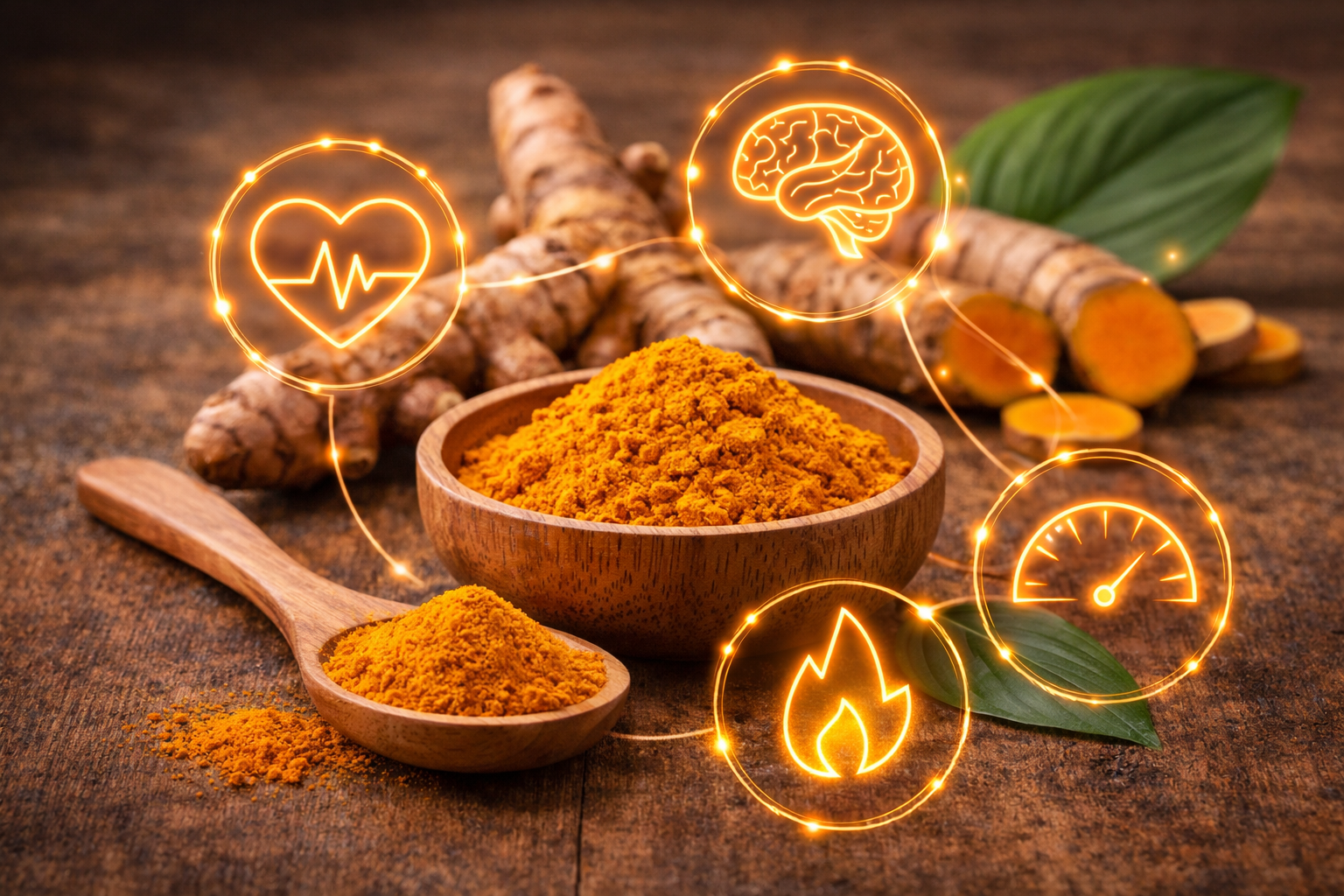
The four ingredients that make turmeric water genuinely functional: high-curcumin turmeric powder, black pepper (piperine for absorption), a fat source, and optional lemon and honey for palatability.
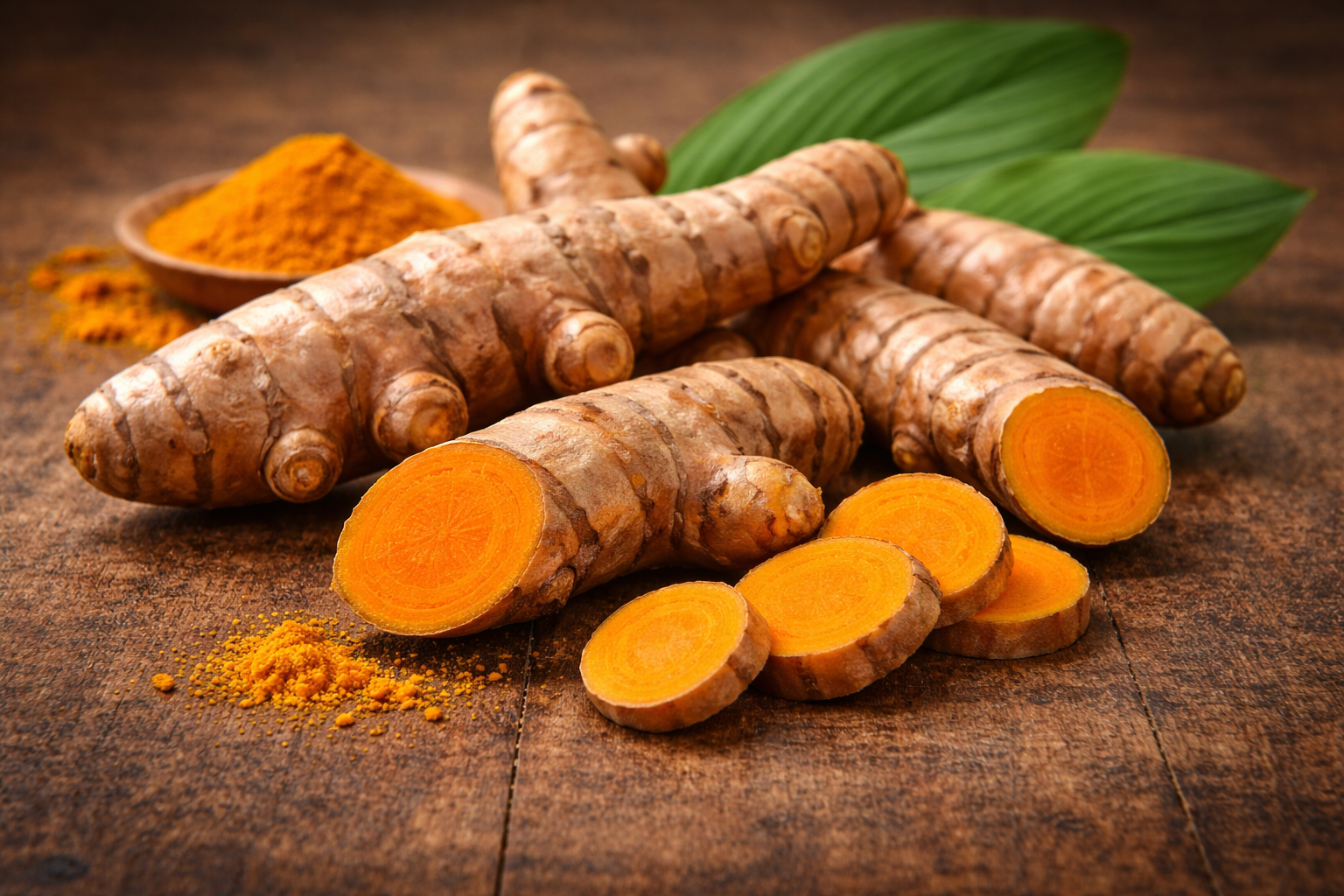
The morning turmeric water ritual works best on an empty stomach — no competing compounds from food, and the body's digestive and metabolic systems are primed to receive and process the curcumin dose.
The benefits described here reflect the most consistently documented research on curcumin and turmeric, as well as centuries of traditional use. Turmeric water is a food and beverage ingredient — it is not a drug, and it is not intended to diagnose, treat, cure, or prevent any disease or medical condition. If you take prescription medication, are pregnant, or are managing any diagnosed health condition, speak with your doctor before adding turmeric water to your routine in anything beyond culinary quantities.
Make Your Turmeric Water with Genuine Lakadong
The quality of your turmeric is the single most important variable in whether turmeric water works. Lakadong turmeric — 7–12% curcumin, NPOP & USDA certified organic, NABL lab-tested per batch — delivers three to four times more curcumin per teaspoon than standard turmeric powder.
How to Make Turmeric Water Correctly — Step by Step
The gap between turmeric water that delivers measurable curcumin and turmeric water that's mostly theatrical is almost entirely about preparation. Two failure modes account for most of the "I tried it and felt nothing" experiences: using low-curcumin turmeric, and skipping black pepper and fat. The six steps below ensure neither mistake is made.

The three non-negotiable preparation elements: high-curcumin turmeric powder, a pinch of freshly ground black pepper, and a fat source. Every other addition is optional — these three are the functional core of the habit.
Turmeric Water Dosage and Timing — What Actually Matters
Two questions come up constantly with turmeric water: how much turmeric should I use, and when should I drink it? The straightforward answer to both: the daily amount matters less than you think, and the timing matters less than consistency. A quarter teaspoon of high-curcumin turmeric every single day outperforms a teaspoon of it three times a week. Curcumin's anti-inflammatory effects accumulate through sustained low-dose daily exposure — not from occasional larger doses.
For the quantity: 1/4 to 1/2 teaspoon per 200ml of warm water is the appropriate daily range. If you're using Lakadong turmeric at 7–12% curcumin, a quarter teaspoon is roughly equivalent to a full teaspoon of standard supermarket turmeric in terms of curcumin delivered. Starting at the lower end and adjusting upward based on taste preference and tolerance is the sensible approach. Beyond half a teaspoon per day in water form, there's no documented benefit increase — and the risk of the bitter taste putting you off the habit entirely goes up.
When to Drink Turmeric Water — Comparing the Options
| Timing | Primary Benefit | Best Paired With | Notes |
|---|---|---|---|
| Morning, fasted (most recommended) | Digestive priming, metabolic support | Lemon + honey + pepper | No competing food compounds — cleaner absorption window |
| 30 minutes before a main meal | Digestive enzyme and bile stimulation | Plain or with fresh ginger | Good for heavy meals; stimulates digestion before eating |
| Post-workout | Anti-inflammatory recovery support | Plant milk + coconut oil + pepper | Fat in milk improves absorption after training |
| Evening before bed | Joint recovery during sleep | Warm milk + honey — golden milk style | Warming and settling; suits those who prefer an evening ritual |
The table above presents each timing's particular advantage — but the most important choice is whichever slot you will reliably fill every single day. The person who drinks turmeric water every morning at 7am will see better results after two months than the person who drinks it "when they remember" at varying times. Build it into an existing ritual — morning coffee, pre-breakfast prep, post-workout stretch — and the habit sustains itself without effort.
Weeks 1–2: Digestive changes are often the first thing people notice — less bloating, easier digestion after meals. Weeks 3–4: Energy levels and morning stiffness in joints often improve for those where chronic inflammation was a factor. Weeks 5–8: Skin clarity changes, sustained energy, and reduced inflammatory pain become noticeable for consistent drinkers. Results are individual and are most pronounced in people who also pair turmeric water with reduced processed food and sugar intake — since curcumin works against inflammation most effectively when the dietary inflammatory load is also being addressed.
Turmeric Water Side Effects and Cautions — Who Should Be Careful
Turmeric water in culinary quantities — a quarter to half teaspoon per day — is safe for the vast majority of healthy adults. It has been consumed in these amounts across South Asian cuisines for thousands of years without any documented pattern of harm at normal dietary doses. That said, specific situations call for awareness and, in some cases, professional guidance before making it a daily habit.
- Adults with chronic low-grade inflammation — joint stiffness, skin conditions, digestive discomfort
- People looking to reduce reliance on over-the-counter anti-inflammatories for minor day-to-day complaints
- Those with diets high in processed food who want a simple daily antioxidant habit
- Athletes and active individuals seeking a natural post-exercise recovery support routine
- People managing liver health through lifestyle changes, with medical supervision
- Anyone replacing a morning sugary drink with a functional, low-calorie alternative
- Those with dull or uneven skin tone who want an internal approach to complement topical skincare
- People on blood-thinning medication (warfarin, aspirin therapy) — curcumin has mild anticoagulant properties at higher doses
- Pregnant women taking more than small culinary amounts — high-dose curcumin may stimulate uterine contractions
- People with gallstones or bile duct obstruction — turmeric stimulates bile secretion, which can aggravate these conditions
- Those on diabetes medication — curcumin may lower blood sugar, requiring monitoring if combined with medication
- Anyone with iron-deficiency anaemia — turmeric can inhibit iron absorption at higher doses; take separately from iron-rich meals
- People scheduled for surgery — stop high-dose turmeric intake at least two weeks before any surgical procedure
A quarter to half teaspoon of turmeric daily — the amount used in turmeric water — is a culinary dose, comparable to what's found in a bowl of curry. Most of the cautions above apply to supplement-level curcumin intake (500mg–1000mg+ curcuminoid capsules daily) rather than dietary amounts. The risks at culinary daily doses are very low for healthy adults without the specific conditions listed. If you take prescription medication or have a pre-existing condition, the conversation to have is with your doctor — not about whether to avoid turmeric forever, but about whether the daily quantity you're considering is appropriate given your specific circumstances.
FAQs — Turmeric Water Benefits
The most consistently documented effects of regular curcumin intake — which is what turmeric water delivers — include reduced systemic inflammation, improved antioxidant defence, better digestive function, liver support, and improved joint comfort over time. Skin clarity is also frequently reported after sustained use. These benefits are cumulative rather than immediate: they build over 3–6 weeks of consistent daily drinking, and are substantially more pronounced when turmeric is prepared with black pepper and a fat source, which together improve curcumin bioavailability from very low to meaningfully higher.
For anti-inflammatory and systemic health effects, black pepper is close to essential — not a nice-to-have. Curcumin on its own is poorly absorbed; the body's metabolic processes break most of it down and eliminate it before it reaches systemic circulation. Piperine, the active compound in black pepper, inhibits the specific enzyme (CYP3A4) responsible for this rapid curcumin breakdown, and the improvement in bioavailability it provides is well-established in research. A small pinch of freshly ground black pepper alongside your turmeric water is one of the most impactful things you can do to ensure the habit actually works.
Both times have genuine merit, and consistency is a more important variable than timing. Morning on an empty stomach is the most widely recommended approach because there are fewer competing compounds from food to interfere with absorption, and the digestive-stimulating effect of turmeric is well matched to the start of the day. Evening before bed appeals to people who prefer its warming, settling quality and want to support joint recovery overnight. The honest answer is: whichever time means you'll actually drink it every day is the right time. A missed day costs more than imperfect timing.
A quarter to half a teaspoon (1–2 grams) per 200–250ml of warm water is the typical daily range for a turmeric water habit. If you use high-curcumin Lakadong turmeric (7–12% curcumin), a quarter teaspoon delivers as much curcumin as a full teaspoon of standard supermarket turmeric — so less is genuinely more with premium varieties. Going beyond half a teaspoon in a single daily glass rarely adds meaningful benefit, and the increasingly strong earthy-bitter taste can undermine the habit's sustainability. Start at the lower end and adjust based on taste preference.
Yes — for most people this is the recommended approach. An empty stomach means no competing food compounds interfering with absorption, and many people report the digestive-priming effect is most noticeable when turmeric water is consumed first thing in the morning. The exception is people who find it creates a mild acidic or burning sensation in the stomach when fasted — this is more common in people with existing gastric sensitivity. If this applies to you, adding a teaspoon of honey softens the experience considerably, or switch to a golden milk preparation using warm plant milk rather than plain water. The fat in the milk also improves curcumin absorption.
Most people who report meaningful changes — particularly in joint stiffness, digestion, and skin clarity — describe them becoming noticeable after 3–6 weeks of consistent daily use. Curcumin works by gradually modulating inflammatory pathways, not by producing an immediate pharmacological effect. This is why the "I tried it for a week and felt nothing" experience is so common: turmeric water is a long-game habit, not a fast-acting remedy. Consistency is the single most important variable — people who drink it six days a week for two months report dramatically better outcomes than occasional drinkers.
It is arguably the single most important variable in the entire habit. Standard supermarket turmeric typically contains 1.5–3% curcumin by dry weight. Lakadong turmeric from the Jaintia Hills of Meghalaya — India's highest-curcumin variety — consistently tests at 7–12%. The same glass of turmeric water made with the same preparation method delivers three to four times more active curcumin with Lakadong versus generic turmeric. No technique adjustment compensates for that gap. If you're investing time and consistency in a daily turmeric water habit, the turmeric quality deserves the same consideration as the preparation method.
Turmeric Water Quick-Start Guide — The Essentials
Turmeric water works — when it's made right. The habit has a four-thousand-year track record across South Asian traditional medicine, and modern curcumin research has progressively confirmed the mechanisms behind what practitioners observed empirically. What the research also confirms is that most of the benefit depends on three preparation variables: the curcumin concentration of the turmeric you start with, the presence of black pepper, and the presence of a fat source. Get those right, sustain the habit daily, and the results the tradition promises become genuinely accessible.
The single biggest lever available to anyone starting this habit today: choose a high-curcumin turmeric verified by a lab report. Everything else in the preparation is simple. The quality of the turmeric is the variable that determines your ceiling.
- 🌿Choose verified high-curcumin turmeric — Look for a COA showing 7% curcumin or above via HPLC from a NABL-accredited lab. The curcumin percentage is not a marketing claim — it's a measurable, testable number. Ask for the certificate.
- 🥄Start at 1/4 teaspoon in 200ml warm water — This is enough for a meaningful daily curcumin dose with premium turmeric. Scale up to 1/2 teaspoon based on taste, not because more is always better.
- 🌶️Add black pepper — every single time — A small pinch of freshly ground black pepper is the most impactful preparation step. Without piperine, most of the curcumin is wasted before it can be absorbed. This is not optional.
- 🥛Include a fat source — Half a teaspoon of coconut oil, a splash of warm milk, or switching to a golden milk preparation ensures the fat-soluble curcumin is carried into the lymphatic system for absorption rather than passing through unused.
- 📅Drink it every day — consistency over timing — The benefits of curcumin accumulate through sustained daily exposure. Any time of day you'll actually do it consistently is the right time. Morning fasted is the most commonly recommended, but the habit that sticks beats the one that's perfectly timed but missed.
- ⏳Give it 4–6 weeks before evaluating — Curcumin is not fast-acting. Its anti-inflammatory effects build gradually. Expect the first meaningful changes in digestion and energy around week 2–3, and joint or skin changes around weeks 4–8. Evaluate after a sustained trial, not after a week.
Lakadong Gold's high-curcumin turmeric powder is the foundation that makes turmeric water genuinely functional. NABL-accredited COA per batch (7–12% curcumin via HPLC) · NPOP & USDA NOP certified organic · GI Tag No. 741 — Jaintia Hills, Meghalaya · Stone-ground, sun-dried, zero additives, zero synthetic colour · Available from 100g to 1kg · Full certification documentation provided with every order · WhatsApp support within 2 hours. The habit is simple. The ingredient is the difference.